
If you’re looking for AI study tools that actually help you learn — not just do your homework for you — this guide compares nine of the most talked-about options for 2026: what each is best for, what the free tier really gives you, and the catch nobody mentions on the landing page.
Key takeaways
- Best overall picks: NotebookLM (free, grounded in your sources), StudyFetch (best for lecture-video courses), and Quizlet (still the flashcard king for K-12).
- Free tiers are genuinely generous: NotebookLM, ChatGPT Study Mode, Knowt, and Anki all cost $0 — enough for a complete study stack without paying.
- A 2024 Harvard randomized controlled trial found AI tutoring produced gains of 0.73–1.3 standard deviations over traditional instruction — but only with active-learning tools, not answer generators.
- Verify AI-generated facts and check your school’s academic-integrity policy before AI touches graded work.
Table of Contents
- What Makes an AI Study Tool Actually Work
- The 9 Best AI Study Tools, Compared
- Comparison Table
- Best AI Study Tools for College Students (by Profile)
- Free AI Study Tools: The $0 Stack
- Mistakes to Avoid
- Frequently Asked Questions
- Bottom Line
What Makes an AI Study Tool Actually Work
Not all study apps earn their place. The ones that genuinely move grades share three traits:
- Grounded in your sources. The best ones answer from your uploaded textbook, slides, or notes — not the open internet. That cuts hallucination risk because the AI summarizes *your* material.
- Active recall, not passive reading. Quizzes, flashcards, practice problems. A 2024 Harvard randomized controlled trial measured AI-tutoring gains of 0.73–1.3 standard deviations over traditional instruction — but only with tools built around active learning.
- Spaced repetition. Flashcards that resurface right before you forget beat cramming. This is why Anki and RemNote keep users for years into medical school.
Each tool below gets an honest Best for / Free tier / Catch verdict, with the three criteria as the bar.
The 9 Best AI Study Tools, Compared
1. NotebookLM (Google)
- Best for: College and self-study from your own materials
- Free tier: Free — up to 100 notebooks with 50 sources each
- Catch: None worth mentioning; the generosity is a Gemini-ecosystem play.
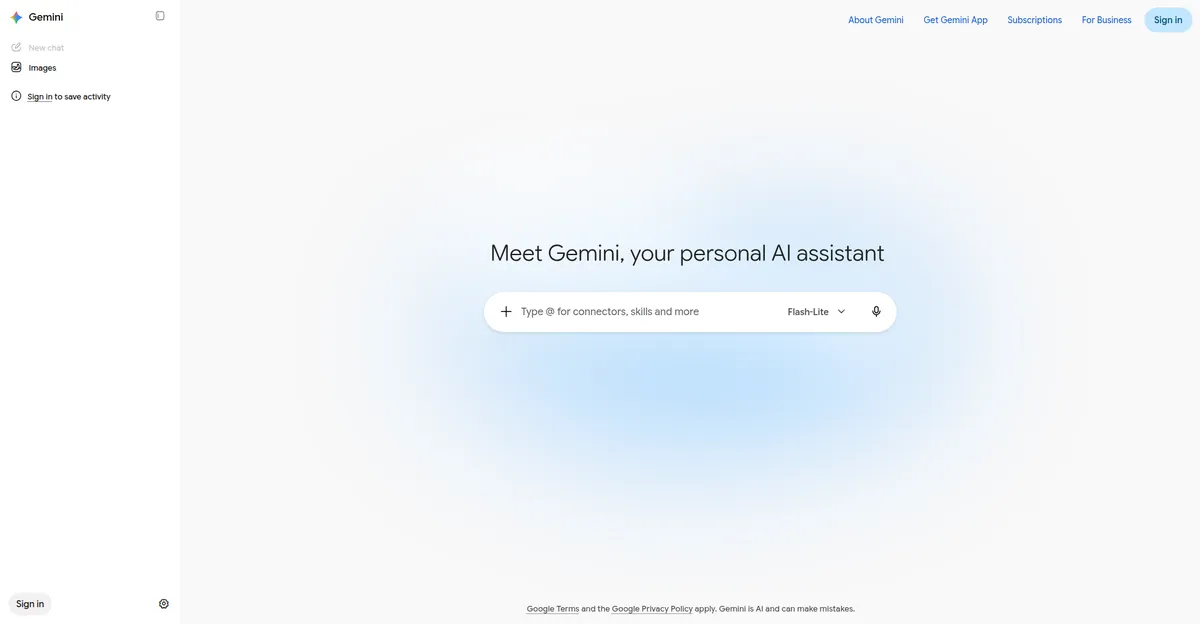
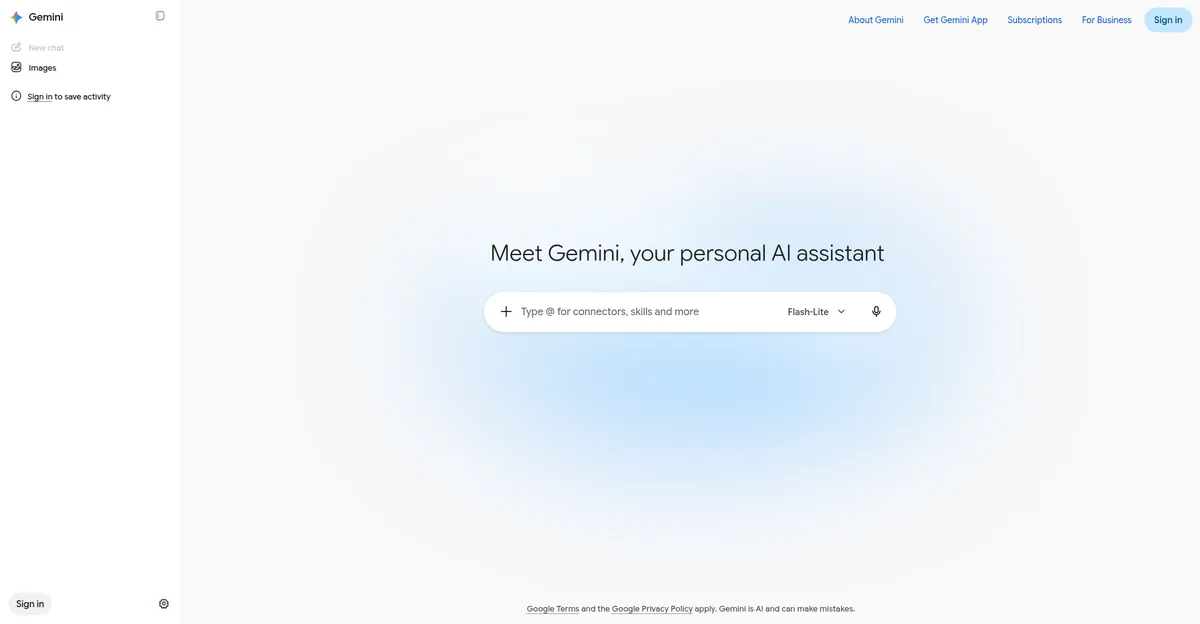
NotebookLM is Google’s Gemini-powered notebook, and in 2026 it remains the strongest free study aid available. Upload PDFs, docs, websites, or YouTube videos; it answers with citations to your exact sources, and Audio Overviews turn your material into a listenable podcast-style recap. Because everything is grounded in what you uploaded, hallucinations are rare.
2. ChatGPT Study Mode
- Best for: Guided practice and step-by-step problem walkthroughs
- Free tier: Free on every plan since autumn 2026
- Catch: It’s a general model — always verify facts, especially in science and law.
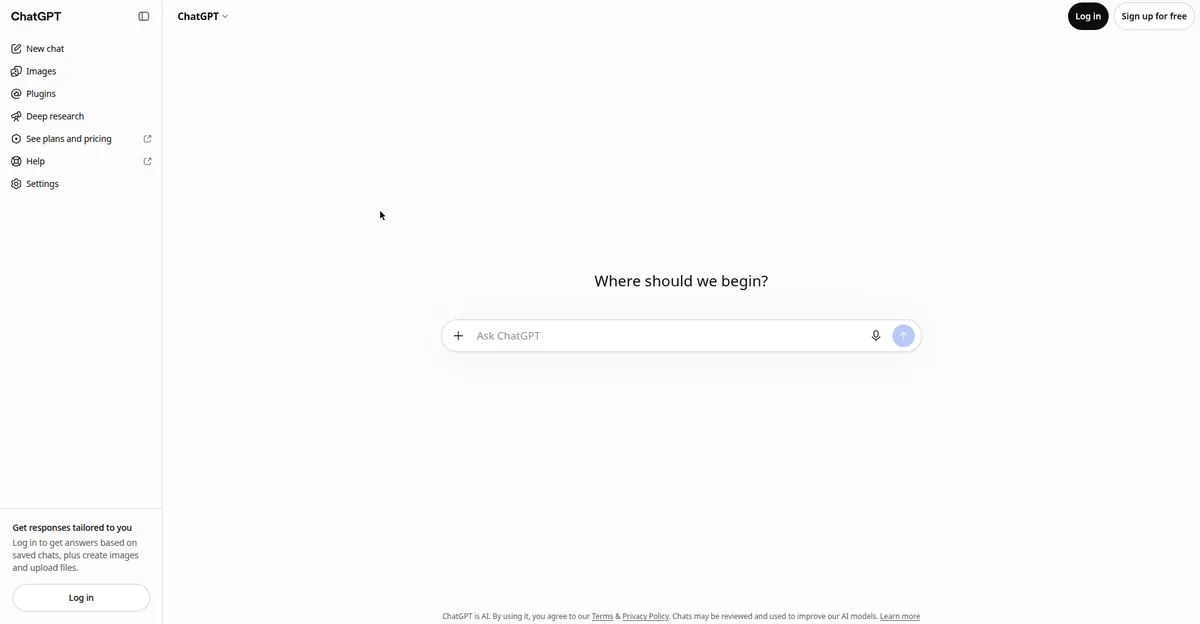
Study Mode turns ChatGPT from an answer machine into a tutor: it asks guiding questions, breaks problems into steps, and generates quizzes and flashcards on demand. Effective for practice, but since it isn’t tied to your course materials by default, treat its claims as a draft tutor — check key facts against your textbook before an exam.
3. Quizlet
- Best for: Flashcard drilling for K-12 and high school students
- Free tier: Limited free use; Plus is $9.99/month or $44.99/year
- Catch: The best AI features (Learn paths, test-mode generation) sit behind the paywall.
Quizlet is the household name for a reason: endless flashcard sets, teacher-made decks for most standard curricula, and a friction-free mobile app. If you’re in high school, it’s the lowest-friction starting point — but weigh the paid tier against Knowt below, which covers similar ground for free.
4. Knowt
- Best for: Free flashcards and practice from your own notes
- Free tier: Free flashcards and practice; Ultra is $24.99/month or $149.99/year
- Catch: Free is solid, but power features and higher limits are paid.
Knowt converts uploaded notes or videos into flashcards, practice quizzes, and study guides. It deliberately undercuts Quizlet while matching the core workflow — a strong free pick for students who want to import their own material rather than use public decks.
5. StudyFetch
- Best for: Lecture-video-heavy courses
- Free tier: Limited free trial; Premium is $19.99/month or $96/year
- Catch: The free tier is more of a preview — serious use needs the paid plan.
StudyFetch solves a real pain point: a 90-minute lecture recording becomes notes, flashcards, quizzes, and a chatbot tutor in one click. Students whose courses revolve around recorded lectures get the most value. If your professors mostly assign readings, NotebookLM covers you for free instead.
6. RemNote
- Best for: Students who want notes, flashcards, and spaced repetition in one app
- Free tier: Free core; Pro $10/month, Pro with AI $20/month
- Catch: AI features are the paid tiers’ main selling point; the learning curve is real.
RemNote is the power-user pick: notes and flashcards live in one place, with spaced repetition baked into the workflow. It replaces a whole app stack for committed users — but casual users will find NotebookLM + Anki simpler.
7. Anki
- Best for: Spaced repetition for med school, law, and certification exams
- Free tier: Free (desktop, web, Android); iOS app costs $25 one-time
- Catch: Dated interface, real setup effort — the payoff comes over months.
Anki is the veteran: free, open-source, and the gold standard of spaced repetition. It isn’t a chatbot, but its scheduling algorithm is exactly the evidence-based practice the Harvard trial validates. Shared decks exist for MCAT, USMLE, bar exams, and major certifications. It’s ugly; it works.
8. Khanmigo
- Best for: K-12 students who want a safe, curriculum-aligned AI tutor
- Free tier: Core lessons free; $4/month ($44/year) unlocks more
- Catch: School-level material only — not built for college or professional exams.
Khan Academy’s AI tutor guides rather than answers, which is exactly what younger learners need. The $4/month price is the friendliest on this list. For parents worried about AI doing homework *for* the kid, this is the pick.
9. Consensus
- Best for: Research papers that cite real peer-reviewed studies
- Free tier: Free tier available (usage-based)
- Catch: A research assistant, not a study tool for coursework.
Consensus searches 200M+ peer-reviewed papers and synthesizes findings with citations. Writing a college paper or thesis? It beats asking a general chatbot and your bibliography will be real. It won’t quiz you, though.
Comparison Table: All 9 AI Study Tools at a Glance
| Tool | Best For | Free Tier | Price |
|---|---|---|---|
| NotebookLM | Grounded answers from your sources | Yes, generous | Free |
| ChatGPT Study Mode | Guided tutoring + quizzes | Yes | Free |
| Quizlet | Flashcard drilling (K-12) | Limited | $9.99/mo or $44.99/yr |
| Knowt | Free flashcards from notes | Yes | Ultra $24.99/mo or $149.99/yr |
| StudyFetch | Lecture-video courses | Trial | $19.99/mo or $96/yr |
| RemNote | Notes + flashcards + spaced repetition | Yes (core) | Pro $10/mo, with AI $20/mo |
| Anki | Spaced repetition (med/law/cert) | Yes | Free; iOS app $25 |
| Khanmigo | K-12 AI tutor | Yes (core lessons) | $4/mo ($44/yr) |
| Consensus | Citing peer-reviewed research | Yes (usage-based) | Free tier |
Best AI Study Tools for College Students (by Profile)
Generic rankings ignore how people actually study. Here’s the honest mapping:
- K-12 / high school: Khanmigo for guided tutoring, Quizlet for drilling, Knowt for free practice from your notes.
- College / university: NotebookLM as your home base (upload syllabus, readings, slides), plus ChatGPT Study Mode for practice problems. Use Consensus when a paper needs real citations.
- Med school, law, or certifications: Anki is non-negotiable — its spaced-repetition engine is why residents swear by it. RemNote is the alternative if you want notes and flashcards unified.
- Lecture-video-heavy courses: StudyFetch turns recordings into notes and quizzes faster than any manual workflow.
For assignments specifically, see our guide on using AI tools for assignments, and if you turn notes into decks, our guide to converting lecture notes into presentation slides pairs well.
Free AI Study Tools: The $0 Stack
You don’t need to pay for anything to study seriously with AI:
- NotebookLM — grounded tutor and recap engine (free).
- ChatGPT Study Mode — quizzes and walkthroughs (free).
- Anki or Knowt — spaced repetition for facts that must stick (free).
- Consensus — research citations for papers (free tier).
A tutor, a quizzer, a flashcard engine, and a research assistant for exactly zero dollars. Paid tiers only make sense once you’ve hit a specific wall — a Quizlet Learn path your class requires, or hours of lecture video StudyFetch would compress. For the wider toolkit, see our roundup of the best free AI tools for students in 2026.
Mistakes to Avoid With AI Study Tools
- Trusting unverified answers. Hallucination is still the #1 risk. The Harvard RCT’s strong results came from active-learning tutoring — tools that quiz you, not ones that hand you an essay. Prefer grounded tools and verify science, law, and medicine facts.
- Letting AI do graded work. Know your school’s academic-integrity policy before AI touches an assignment or exam. Many schools treat undisclosed AI use on assessments as misconduct — even when the same tool is fine for studying.
- Subscribing before maxing free tiers. NotebookLM or ChatGPT Study Mode cover more than most students realize. Pay only when you can name the exact feature you need.
- Collecting apps instead of a system. One grounded tutor + one spaced-repetition tool beats five half-used apps. Pick two, use them three weeks, then judge.
Frequently Asked Questions
Which is the best AI study tool for college students?
NotebookLM: free, answers grounded in your own course materials, and audio overviews make review effortless. Pair it with Anki for spaced repetition and Consensus for research papers.
Are there completely free AI study tools?
Yes. NotebookLM, ChatGPT Study Mode, Anki, and the free tiers of Knowt and Khanmigo cover tutoring, flashcards, spaced repetition, and quizzes at zero cost.
Can AI study tools replace textbooks?
No. The best ones work *on top of* your materials — they quiz you, summarize, and space your review. Your sources are the foundation; AI makes the repetition smarter.
Is it cheating to use AI study tools?
Using them to study (quizzes, flashcards, concept explanations) is widely accepted. Using them to complete graded work you submit as your own can violate academic-integrity policies. Check your school’s rules.
Which AI study tool is best for medical students?
Anki, by a mile — its spaced-repetition system is the standard for USMLE and board prep, with free shared decks. RemNote is the modern alternative if you want notes and flashcards in one app.
Does ChatGPT Study Mode really work?
It’s effective as an active tutor — guiding you through problems instead of dumping answers, which matches what the Harvard 2024 RCT found most beneficial. Just verify factual claims against your textbook.
Bottom Line
For most students in 2026, the winning combo is NotebookLM + Anki, both free: one grounded in your course materials, one built on spaced repetition — the two approaches with the strongest evidence behind them. Add StudyFetch if your courses live in lecture recordings, Quizlet if you’re in high school, and Consensus when papers need real citations. The tools that work are the ones that make you think harder, not less.
*Freshness note: prices, free-tier limits, and feature availability verified October 2026 — SaaS tools change plans often, so check each site before subscribing.*
Rank Math self-check
- Focus keyword in SEO title (near start): “Best AI Study Tools for Students: 9 Tools Compared (2026)” — 57 chars, power words: Best, Compared ✓
- Focus keyword in meta description: yes, 139 chars (under 160) ✓
- Focus keyword in URL slug: ai-study-tools ✓
- Focus keyword in first paragraph: yes (“If you’re looking for AI study tools that actually help you learn”) ✓
- Focus keyword density: 22 occurrences in 2,181 words ≈ 1.0%, used naturally (no stuffing) ✓
- Focus keyword in ≥2 subheadings: “What Makes an AI Study Tool Actually Work”, “The 9 Best AI Study Tools, Compared”, “Best AI Study Tools for College Students (by Profile)”, “Free AI Study Tools: The $0 Stack”, “Mistakes to Avoid With AI Study Tools” ✓
- Every image has descriptive alt text (keyword where natural): 3/3 ✓; image file names include focus keyword ✓ (real screenshots of Google Gemini + ChatGPT captured earlier, visually verified 2026-10-18; no fresh screenshots obtainable today — browser file-save unavailable, so Quizlet/StudyFetch sections ship without images rather than with fake ones)
- Internal links: 3 (best-free-ai-tools-for-students-2026, use-ai-tools-for-assignments, ai-tool-convert-lecture-notes-presentation-slides) ✓; external outbound links: 3 (notebooklm.google.com, quizlet.com, studyfetch.com) ✓
- Table of Contents near top: yes ✓; short paragraphs: yes ✓
- Key takeaways boxquote: yes, 4 bullets, direct answer up top ✓; FAQ: 6 Q&As ✓
- Semantic keywords used: flashcard drilling, spaced repetition, active recall, grounded answers, lecture notes, MCAT/USMLE/board prep, peer-reviewed citations, academic integrity, K-12, lecture-video courses ✓
- Competitor analysis: forasoft.com (9 tools with prices), youlearn.ai (comparison table), studyboost.org (all-in-one angle) — reviewed 2026-10-18 ✓
- Gap-fill vs competitors: learner-profile picks section, $0 stack, mistakes/academic-integrity section, Harvard 2024 RCT data (0.73–1.3 SD), per-tool “Best for / Free tier / Catch” verdicts ✓
- Volume evidence: Keyword Planner (Google Ads, US, English, 2026-10-18): “ai study tools” = 1k–10k avg. monthly searches ✓
- Competition evidence: page 1 (2026-10-18) = forasoft.com, studyboost.org, youlearn.ai, jieeselee.com (niche blogs) + uea.ac.uk (university news); no big authorities, no official tool pages — LOW-MEDIUM, beatable ✓
- Video: skipped — comparison post, not a tutorial ✓
- Rank Math score target: checklist complete (Rank Math UI score to be checked in WordPress)